

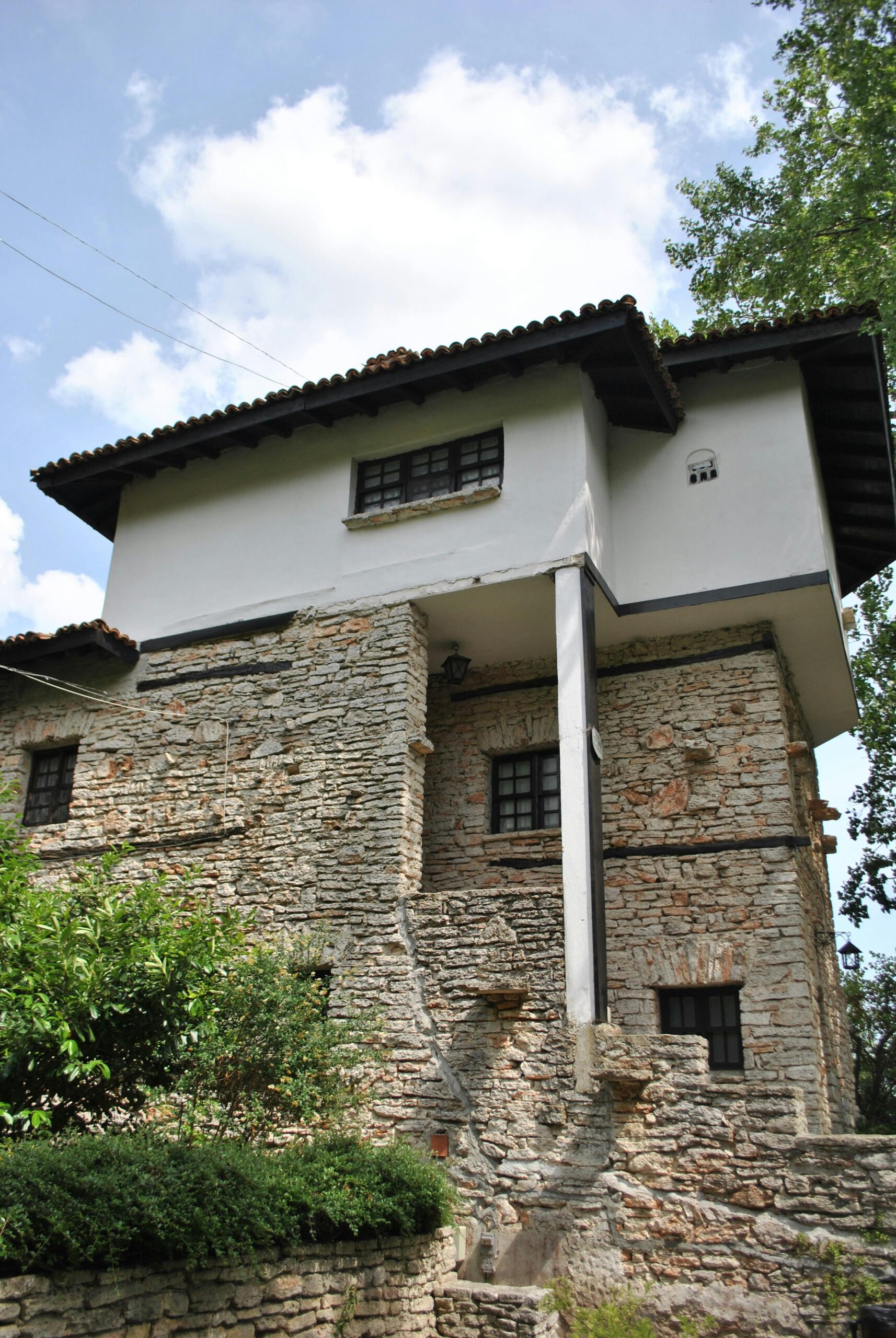
Introduction
Stone masonry is one of the oldest and most durable construction techniques in human history.foundations, bridges, monuments, and buildings.
Types of Stone Masonry
Stone masonry is mainly classified into rubble and ashlar , based on dressing and finish.
1. Rubble
Rubble masonry uses undressed or roughly dressed stones. It is economical and commonly used for foundations and boundary walls.
Types include:
- Random Rubble Masonry: Stones of irregular shapes laid without uniform courses.
2. Ashlar
Ashlar masonry uses finely dressed stones with uniform size and shape. It provides a smooth and elegant appearance.
Types include:
- Ashlar Fine Masonry
- Ashlar Rough-Tooled Masonry
- Ashlar Chamfered Masonry
- Ashlar Block-in-Course Masonry
Materials Used
Common stones used in masonry include:
- Granite: Extremely strong and durable
- Limestone: Easy to work and aesthetically pleasing
- Sandstone: Widely used due to availability and workability
- Marble: Decorative and premium stone
- Slate: Suitable for roofing and wall facing
Mortar is typically made of cement, lime, sand, and water, chosen based on strength requirements and stone type.
Construction Process
- Stone Selection: Stones are selected based on size, strength, and appearance.
- Dressing: Stones are shaped as per design requirements.
- Foundation Preparation: A strong foundation is laid to distribute load evenly.
- Laying Stones: Stones are placed layer by layer using mortar.
- Joint Filling: Mortar joints are filled properly to ensure bonding.
- Curing: Masonry is cured to gain strength and durability.
Advantages
- High compressive strength
- Excellent durability and weather resistance
- Fire-resistant material
- Low maintenance
- Natural and timeless appearance
- Eco-friendly when locally sourced
Disadvantages
- High initial construction cost
- Requires skilled labor
- Heavy weight increases foundation cost
- Longer construction time compared to brick masonry
Applications
- Residential houses and villas
- Boundary and retaining walls
- Bridges and dams
- Historical monument restoration
- Landscaping and garden walls
- Temples and heritage buildings
Stone Masonry Calculation (Material Estimation)
Example:
Wall Size:
- Length = 10 meters
- Height = 3 meters
- Thickness = 0.30 meters
Step 1: Calculate Volume of Stone Masonry
Volume=Length×Height×Thickness Volume=10×3×0.30=9 cubic meters
Step 2: Mortar Requirement
Mortar typically occupies 25–30% of stone masonry volume.Mortar=30%×9=2.7 cubic meters
Step 3: Stone Quantity
StoneVolume=9−2.7=6.3 cubic meters
Step 4: Cement Requirement (1:6 mix assumed)
Approx. 5.5 bags of cement per cubic meter of mortarCement=2.7×5.5=14.85≈15 bags
Maintenance of Stone Masonry
- Periodic inspection of joints
- Repointing damaged mortar
- Cleaning with mild solutions
- Preventing water penetration
With proper maintenance, stone masonry structures can last hundreds of years.
FAQs
1. What is stone masonry?
Stone masonry is a construction technique using natural stones bonded with mortar to create strong and durable structures.
2. Which stone is best for masonry?
3. Is expensive?
4. How long does last?
5. Can be used for modern homes?
6. What mortar is used in ?
Cement-lime mortar or cement-sand mortar is commonly used depending on strength requirements.
Conclusion
is a timeless construction method that combines strength, beauty, and durability. From ancient monuments to modern luxury homes, continues to stand as a symbol of quality and permanence in construction.